The Invisible Curriculum: How Toto's Session Work Became the Unofficial Textbook for Studio Musicians
There's a kind of education that never shows up on a résumé. No degree, no certificate, no formal enrollment. You just sit down with a pair of headphones, drop the needle on a record, and start paying very close attention. For generations of American studio musicians — from the kids who grew up haunting Guitar Center listening stations in the '80s to the bedroom producers obsessing over waveforms today — that education has had one recurring faculty: the members of Toto.
It sounds like a bold claim until you start counting. Steve Lukather, David Paich, Jeff Porcaro, David Hungate, Steve Porcaro, and the rest of the crew didn't just make their own records. They were everywhere — on Boz Scaggs albums, Michael Jackson sessions, Steely Dan dates, Paul McCartney tracks, and hundreds of other projects that defined the sound of American popular music across two decades. And in every single one of those rooms, they brought something that other musicians couldn't quite replicate, no matter how hard they tried to reverse-engineer it.
The Session Scene Nobody Talks About Enough
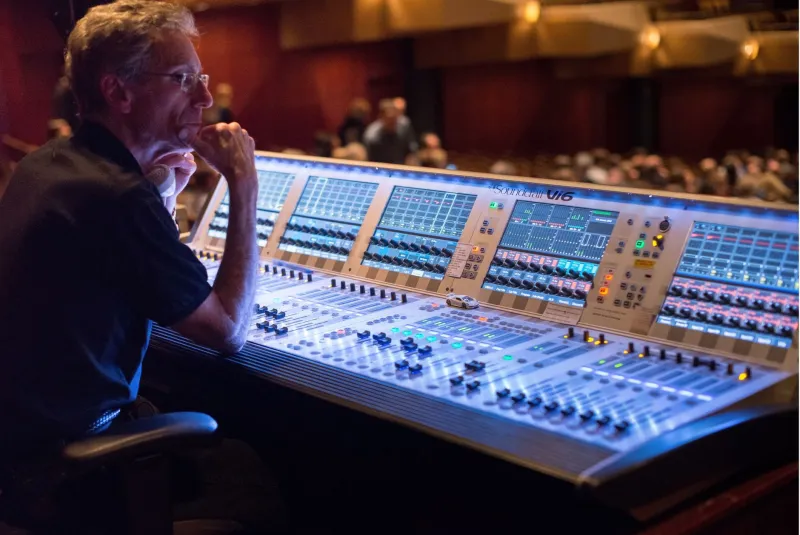
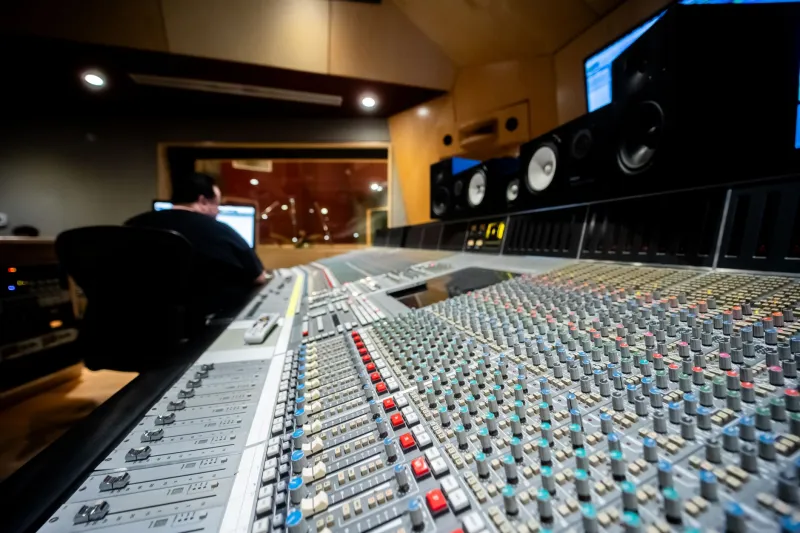
To understand why Toto became the gold standard, you have to understand what the Los Angeles session world looked like in the mid-1970s. Studios like Sound City, Village Recorder, and Cherokee were running nearly around the clock. Producers needed musicians who could walk in cold, read a chart, nail the vibe in two takes, and leave without drama. The pay was good, but the competition was brutal.
Toto's founding members didn't just survive that environment — they thrived in it before they even had a band name. Jeff Porcaro's feel on the kit was something producers genuinely fought over. His ability to sit perfectly in the pocket while still sounding human, never mechanical, was the kind of thing that can't be taught from a book. Lukather's guitar work had a similar quality: technically flawless but emotionally present, which is a combination that's rarer than most people realize.
What made their session contributions so distinctive wasn't just technical proficiency. It was musical intelligence — the ability to hear what a song needed and deliver exactly that, even when the artist themselves couldn't articulate it.
Boz Scaggs and the 'Silk Degrees' Blueprint
If there's a single album that functions as the clearest case study in the Toto effect, it's Boz Scaggs' Silk Degrees from 1976. Porcaro, Paich, and Hungate were central to the sessions, and the album went on to sell over five million copies in the United States alone. But the commercial success almost misses the point.
Listen to "Lowdown" with fresh ears and try to focus on the rhythm section. The groove is immaculate — not flashy, not calling attention to itself, but absolutely driving the song forward in a way that makes the whole thing feel inevitable. That's not an accident. That's a specific philosophy about where a musician's ego belongs in a recording session, which is to say: out of the way of the song.
Young bass players and drummers who studied those performances didn't just learn about groove. They learned about service — the idea that the best thing you can do for a record is make the artist sound better than they could have sounded without you.
Michael Jackson and the Thriller Sessions
The reach of Toto's influence extended well beyond the rock and soft-rock world. Lukather's guitar work appears on Thriller, and Porcaro contributed to sessions that helped define one of the best-selling albums in music history. When you're talking about a record that essentially rewrote the rules of pop production in America, the musicians in the room matter enormously.
For guitarists studying Lukather's contributions to those sessions, the lesson was about restraint and texture. His parts don't overwhelm the arrangements — they color them. That's a discipline that takes years to develop, and it's one of the reasons his session work remains required listening for anyone serious about studio guitar.
Steve Porcaro's Keyboard Philosophy
Keyboardists studying the Toto school of thought often spend particular time with Steve Porcaro's work, both on Toto's own records and in the broader session context. His approach to synthesizers and electric piano was rooted in melody and feel rather than technical showmanship, which was genuinely countercultural at a time when a lot of keyboard players were competing to see who could program the most complex patch.
That melodic sensibility — the idea that a keyboard part should sing, not just function — shows up all over the records Toto members touched during this era. It's the kind of thing that gets passed down informally, from one generation of studio musicians to the next, often without anyone explicitly naming where it came from.
Why Young Musicians Are Still Going to School on This Stuff
Here's what's interesting about the Toto curriculum in 2024: it's more accessible than ever, and younger musicians are absolutely taking advantage of that. YouTube has made it possible to find isolated drum tracks from classic sessions, vocal stems from iconic records, and hours of interview footage where Lukather, Paich, and others break down exactly what they were thinking in the studio.
The conversations happening in online communities — and yes, including right here at Toto Nation — are often startlingly technical. People are analyzing the reverb choices on specific snare hits, debating whether a particular guitar tone was achieved with a specific amp or a combination of two, pulling apart chord voicings from keyboard parts to understand the harmonic logic underneath.
That level of deep study is a testament to how much there is to learn from these performances. Forty-plus years after many of these sessions took place, musicians are still finding new things to unpack.
The Standard That Stuck
What Toto ultimately created — somewhat unintentionally, through the sheer volume and quality of their session work — was a benchmark. When producers and musicians talk about a performance being "in the pocket," or a guitar tone being "just right," or an arrangement being "tasteful," they're often reaching toward a standard that Toto's work helped define.
That's not a small thing. Most bands get to define their own sound. Toto members helped define the sound of an entire era of American popular music, across dozens of artists and hundreds of sessions. The fact that their names weren't always on the marquee doesn't diminish the contribution — if anything, it makes the legacy more interesting.
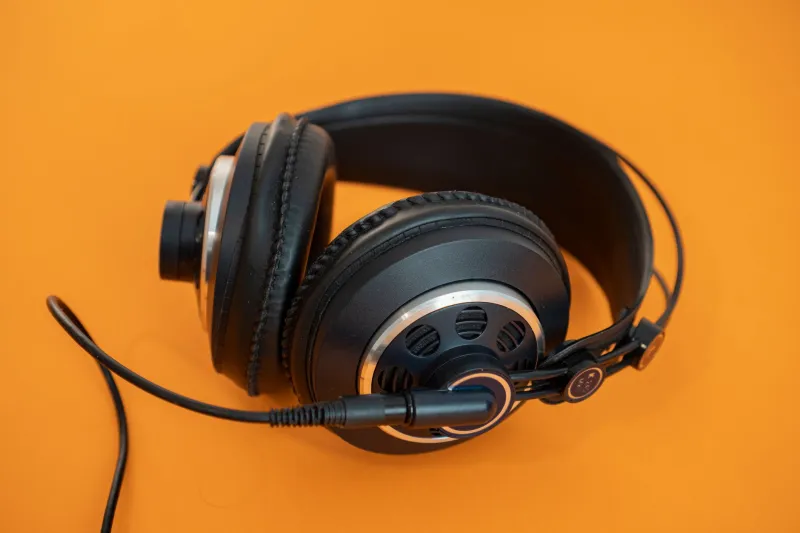
The invisible curriculum is still running. And if you want to enroll, all you need is a good pair of headphones and a willingness to listen closely.