New School Meets Old School: How Toto Members Became the Most Sought-After Collaborators in Modern Music
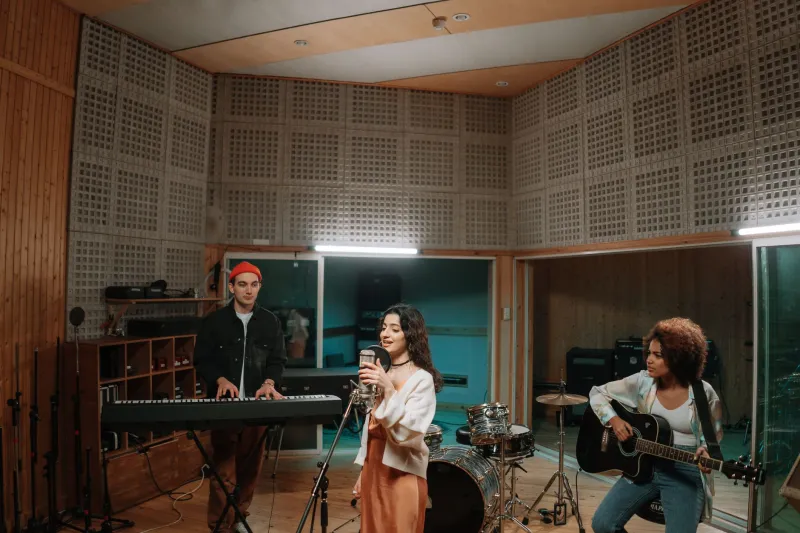
There's a moment that keeps happening in studios across the country. A young producer — maybe 24, maybe 28, raised on SoundCloud and YouTube rabbit holes — pulls up a session with a musician who's been making records since before their parents graduated high school. The kid hits play, hears something that makes their jaw drop, and turns to the room with that look. Where has this been all my life?
That's basically the story of Toto in 2024. Quietly, without a massive press campaign or a viral moment engineered by a PR team, the surviving members of one of rock's most technically gifted bands have become some of the most in-demand collaborators working in modern music. The genres don't matter. The decades between them don't matter. What matters is that younger artists are discovering what session veterans and studio insiders have known for 40 years: working with a Toto member changes your record.
The Pipeline Nobody Predicted
It didn't start with one big announcement. It started the way most genuine musical connections do — through word of mouth, through mutual respect, through one artist telling another, you have to hear this guy play.
Steve Lukather, Toto's guitarist and one of rock's most decorated session players, has been particularly active in bridging the gap. In interviews over the past couple of years, he's talked openly about younger musicians reaching out through social media, sometimes sliding into DMs with nothing more than a beat or a chord progression and a question: Think you'd be into this? More often than not, his answer has been yes.
"The music is the music," Lukather told one outlet. "If it's good, I don't care what genre it is. I've played on everything. That's always been the point."
That attitude — flexible, genre-agnostic, rooted in craft rather than category — is exactly why so many contemporary acts are knocking on Toto's door.
Hip-Hop's Quiet Obsession With Toto's Sonic DNA
If you want to understand why hip-hop producers are fascinated with Toto, start with the samples. "Rosanna," "I'll Be Over You," "Pamela" — these tracks have been looped, flipped, and interpolated for decades. But there's a difference between sampling a record and actually getting one of the guys who made it in the room with you.
Several prominent producers in the hip-hop world have cited Toto's rhythm section in particular as a foundational influence. The interplay between Jeff Porcaro's drumming — even in legacy form, through the records he left behind — and the band's locked-in groove is the kind of thing beatmakers study like a textbook. When they get the chance to work with someone who actually lived inside that sound, it's not just a feature credit. It's an education.
The conversations happening in those sessions are reportedly as much about technique as they are about the music itself. How did you get that drum sound? What was the approach to layering those guitars? Why does that bass line breathe the way it does? These aren't questions you can Google. They're the kind of institutional knowledge that only transfers in person, and Toto's members have been generous in sharing it.
Indie and Pop Acts Are Catching On Fast
It's not just hip-hop. The indie rock world has developed its own quiet reverence for Toto's catalog, particularly among acts that value production detail and musicianship over raw aesthetic. Bands that grew up on Wilco and Radiohead eventually trace those influences backward and land, inevitably, in the '80s session world — which means landing on Toto.
Several indie artists have been vocal on podcasts and in press interviews about the influence Toto's records had on their approach to arrangement. When the opportunity arises to actually collaborate with someone from that lineage, the enthusiasm tends to be genuine and a little overwhelming.
On the pop side, the story is slightly different but equally interesting. Pop production in the 2020s has become increasingly maximalist — layered, textured, and obsessed with sonic detail. That's basically the Toto ethos, applied to a streaming-era context. Producers working with major pop acts have started to recognize that having a musician with Toto's pedigree in the room doesn't just add a guitar part or a keyboard line. It adds a philosophy. It adds a set of ears that have heard everything and can identify exactly what a track is missing.
What the Younger Artists Are Actually Saying
The interview quotes from younger collaborators tend to follow a pattern. There's initial surprise — I didn't know he'd be into doing this — followed by the session itself, which apparently tends to go somewhere unexpected, and then a kind of reverence that's hard to fake.
One recurring theme is speed. Toto's members are session veterans who grew up in an era when studio time cost real money and you had to deliver. The efficiency they bring to a collaboration — the ability to hear a track once and lay down something perfect — is apparently a revelation for younger artists accustomed to the slower, more iterative process of modern digital recording.
Another theme is humility. Multiple collaborators have noted that for all the legendary status, the Toto guys show up ready to serve the song. They're not there to take over the session or turn it into a Toto record. They're there to make whatever's already happening sound better. That kind of collaborative spirit, especially from musicians at that level of accomplishment, tends to make a lasting impression.
What This Means for Toto's Legacy
For longtime fans, these collaborations are exciting for a pretty obvious reason: they keep the music alive and in circulation. Every time a Toto member shows up on a track that charts or gets streamed by a new generation of listeners, it sends a percentage of those listeners backward into the catalog. That's how legacies compound over time.
But there's something deeper happening here too. These collaborations aren't just marketing. They're evidence that the skills Toto built over decades of session work and studio obsession are genuinely, practically useful in the current musical landscape. You can't fake that. No amount of nostalgia or classic rock radio play makes a 25-year-old hip-hop producer want to fly someone in from Los Angeles for a session. That happens because the music demands it.
Toto Nation has always believed that this band's story wasn't finished. Watching the members step into new studios with new artists and come out with something neither party could have made alone — that's not a legacy act coasting on old glory. That's a band whose influence is still actively shaping the sound of American music, one unexpected collaboration at a time.
And honestly? We're here for every single one of them.