The Unsung Voices Behind the Magic: Meet the Background Singers Who Built Toto's Harmonic Empire
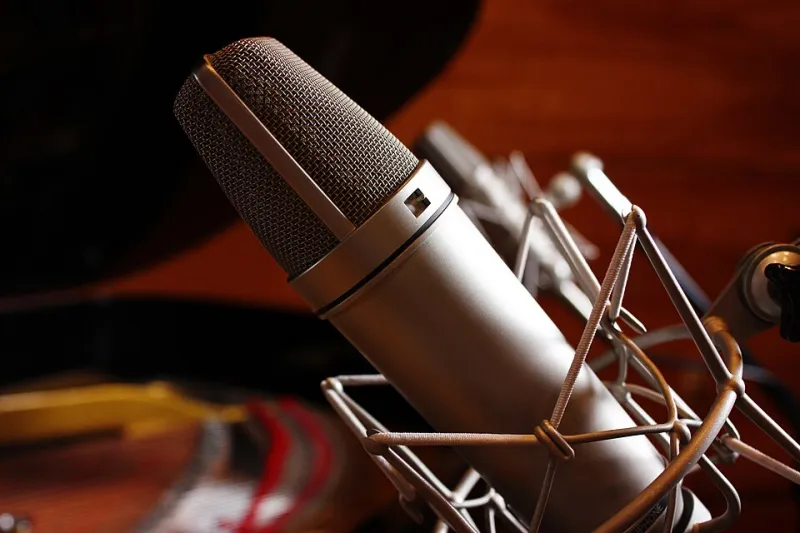
Photo: Will Fisher from Richmond, VA, United States, CC BY-SA 2.0, via Wikimedia Commons
Crank up Toto IV on a good pair of headphones and just sit with it for a minute. Past the iconic drum fills, past the shimmering keys, past Lukather's impossibly tasty guitar work — there's this wall of voices. Stacked, warm, almost orchestral in how they swell and recede. That sound didn't happen by accident. It was built, layer by careful layer, by a rotating cast of session vocalists who rarely got credit but absolutely shaped what Toto sounded like at their commercial and artistic peak.
We talk a lot about the instrumental chops that made Toto legends. But the vocal dimension of their catalog — especially those silky, multi-tracked harmonies — is a whole separate conversation that almost never gets started.
It Started With a Band That Already Knew Everyone
Toto's origin story is inseparable from the Los Angeles session scene of the late 1970s. These guys were the first call musicians for half the biggest names in pop and rock before they ever released a record under their own name. That network meant they had access to an extraordinary pool of vocal talent from day one.
When the band began recording their 1978 debut, the philosophy was simple: if a part needed to be great, you brought in the best person available to play or sing it. That mindset extended naturally into the backing vocal arrangements. Rather than settling for whatever the core band members could stack themselves, they recruited from a scene that included some of the most technically gifted session singers in the country.
That Los Angeles ecosystem — Sunset Sound, Village Recorders, the whole circuit — was overflowing with vocalists who could nail a harmony in two takes and move on to the next session before lunch. Toto, with their studio-first mentality, leaned into that culture fully.
The Voices That Shaped the Hits
On Toto IV, arguably the band's defining record, the vocal production reached its most sophisticated point. Tracks like "Rosanna" and "I'll Be Over You" (the latter from Fahrenheit, but the approach carried forward) feature harmony arrangements that feel almost choral in their complexity. Getting there required more than just the three or four vocalists the band could put in a room at once.
Lenny Castro, primarily known as a percussionist and another fixture of the LA session circuit, was part of the extended Toto family throughout this era — a reminder of how porous the lines were between musicians in that community. Vocalists from that same world drifted in and out of sessions regularly, contributing to the layered approach that became a Toto trademark.
What's remarkable is how little documentation exists around who sang what on which track. Session work in that era was often uncredited or buried in the fine print of liner notes that most fans never read. The vocalists themselves frequently moved on to the next gig without much fanfare, their contributions absorbed into the finished product as if they'd always been there.
The Art of the Invisible Harmony
Here's what made Toto's backing vocal approach genuinely distinctive: they weren't using harmonies as decoration. The stacked voices were structural. They thickened the emotional weight of a chorus, created tension in a bridge, softened a lyric that might otherwise land too hard.
Paich and Lukather, as the primary arrangers, understood intuitively that a great harmony singer isn't just someone who can match a pitch. It's someone who understands why a note belongs in a particular moment — what it adds to the feeling of a song rather than just its technical architecture. The session vocalists they worked with consistently had that quality.
There's also something worth noting about gender dynamics in this conversation. Female backing vocalists contributed enormously to the warmth and texture of Toto's records, particularly in the upper register harmonies that gave tracks like "Africa" that almost spiritual, expansive quality. Their contributions are even less documented than their male counterparts, which is a gap in the historical record that deserves more attention.
What the Fan Community Has Pieced Together
Give credit to the Toto fan base — and here at Toto Nation, we've seen this firsthand in our community discussions — for doing some genuinely impressive archival work over the years. Deep dives into session logs, liner note research, and interviews with peripheral figures in the band's history have helped fill in some of the blanks.
Fans have noted, for instance, how the vocal sound shifted noticeably on certain records based on who was available or who the band was working with at the time. The Isolation era sounds different from Fahrenheit, which sounds different again from The Seventh One — and part of that difference lives entirely in the backing vocal arrangements and who was contributing to them.
That kind of detective work is exactly what makes this band's catalog so endlessly rewarding. There are still layers to uncover.
Why This History Matters
It would be easy to dismiss this as inside-baseball trivia, but there's something genuinely important about understanding how Toto's records were actually made. The band has always been somewhat unfairly tagged as a "corporate rock" act — technically proficient but emotionally distant. That critique never really held up, and understanding the collaborative, community-driven nature of their recording process makes it even weaker.
These weren't cold, calculated productions assembled by hired guns with no investment in the outcome. They were the product of a community of musicians who genuinely cared about craft, who brought their best friends and most trusted collaborators into the room, and who built something together that none of them could have built alone.
The background singers who contributed to Toto's catalog were part of that community. They showed up, they sang their hearts out, and they helped create records that are still resonating with new listeners decades later. That's worth remembering.
Next time you find yourself lost in the harmonies of "Pamela" or the gospel-adjacent warmth of "I'll Supply the Love," take a second to think about the voices you're not seeing named on the album cover. They were there. They mattered. And Toto Nation thinks it's time we started saying so out loud.